Physics is the science that seeks to understand how the universe works. It studies matter, energy, motion, forces, waves, electricity, light, heat, and the fundamental laws that govern all natural phenomena. From the movement of planets to the functioning of a smartphone, physics explains the principles behind everything we observe.
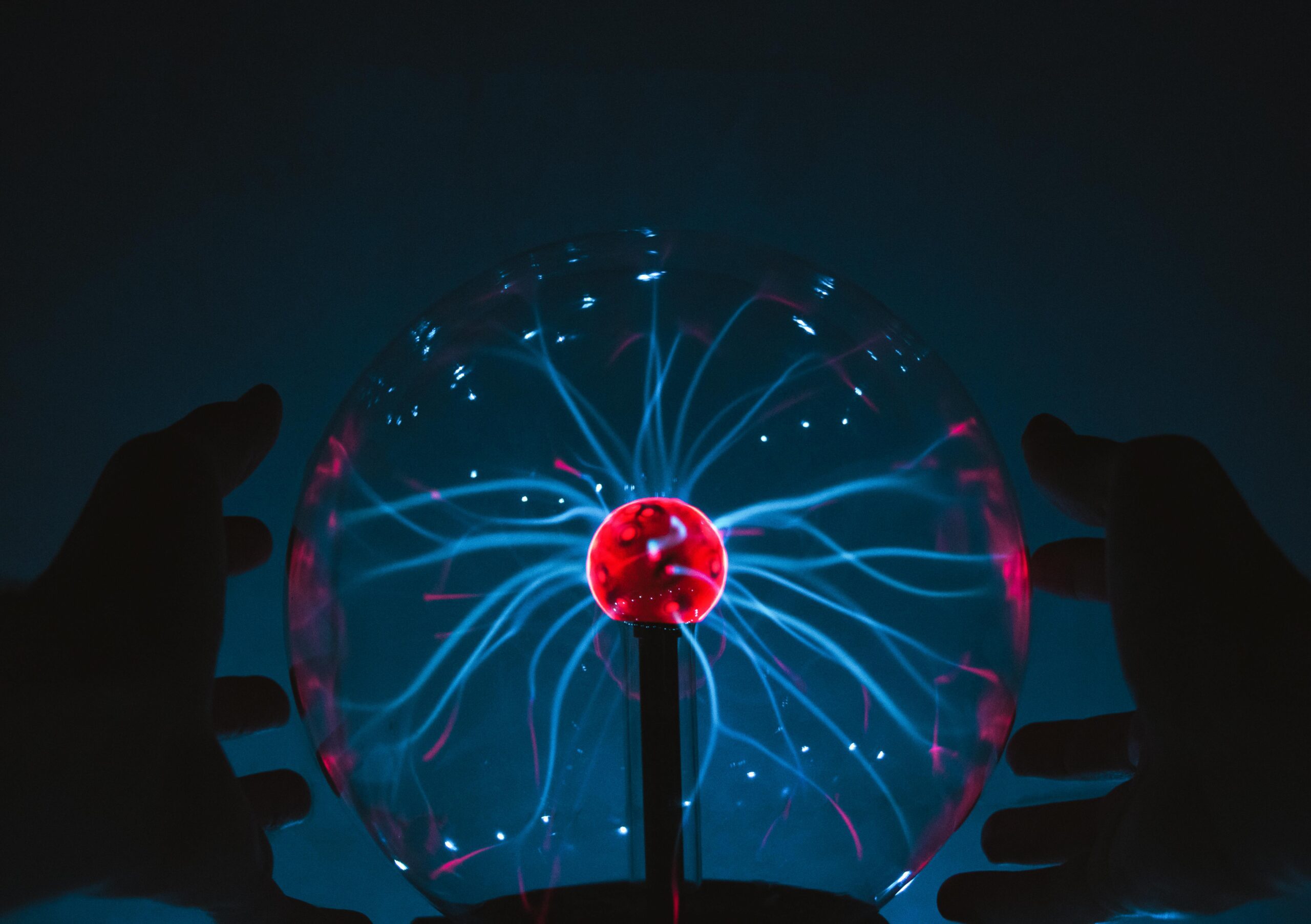
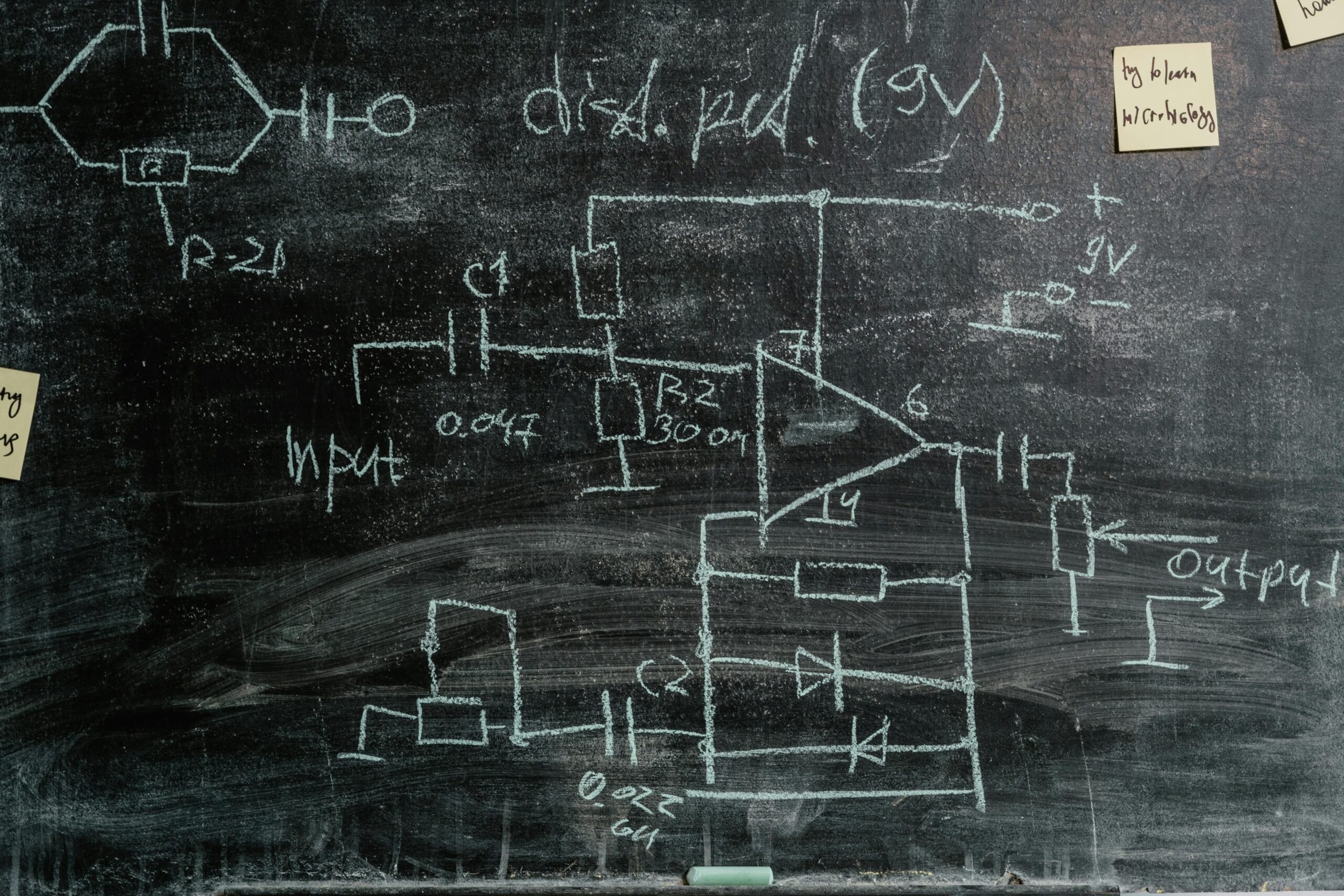
By combining observation, experimentation, and mathematical modeling, physics provides a coherent framework to describe reality. Mechanics explains motion and forces, thermodynamics studies heat and energy transfer, electromagnetism governs electricity and magnetism, and optics explores the behavior of light.
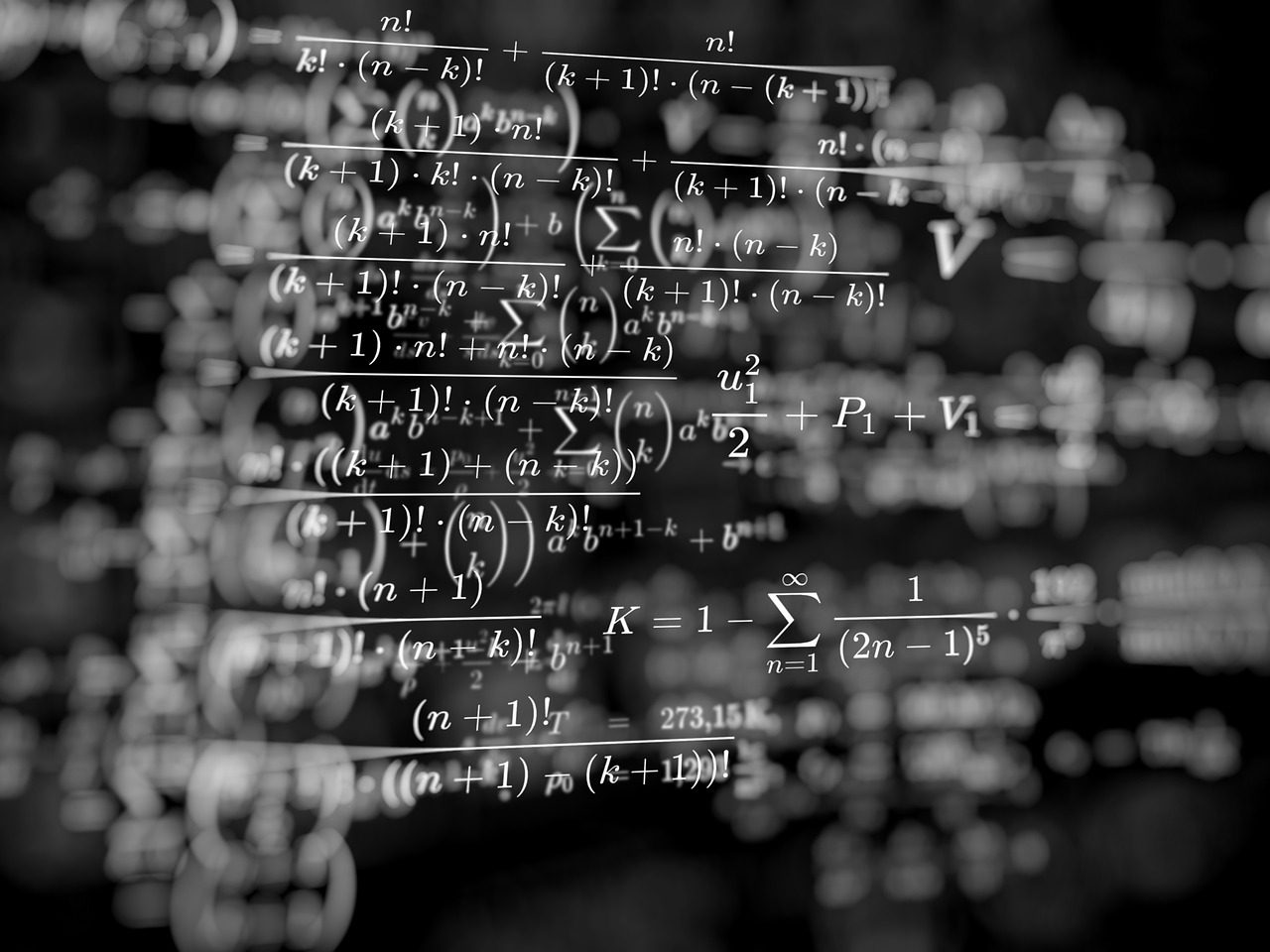
Physics is unique because it connects theory with the real world. Every formula represents a physical reality that can be observed, measured, and understood. This connection makes physics incredibly powerful but also challenging when students try to memorize formulas without grasping the concepts behind them.
Studying physics develops analytical thinking, curiosity, and the ability to link abstract ideas to concrete phenomena. It teaches students not just to calculate, but to understand why things happen.
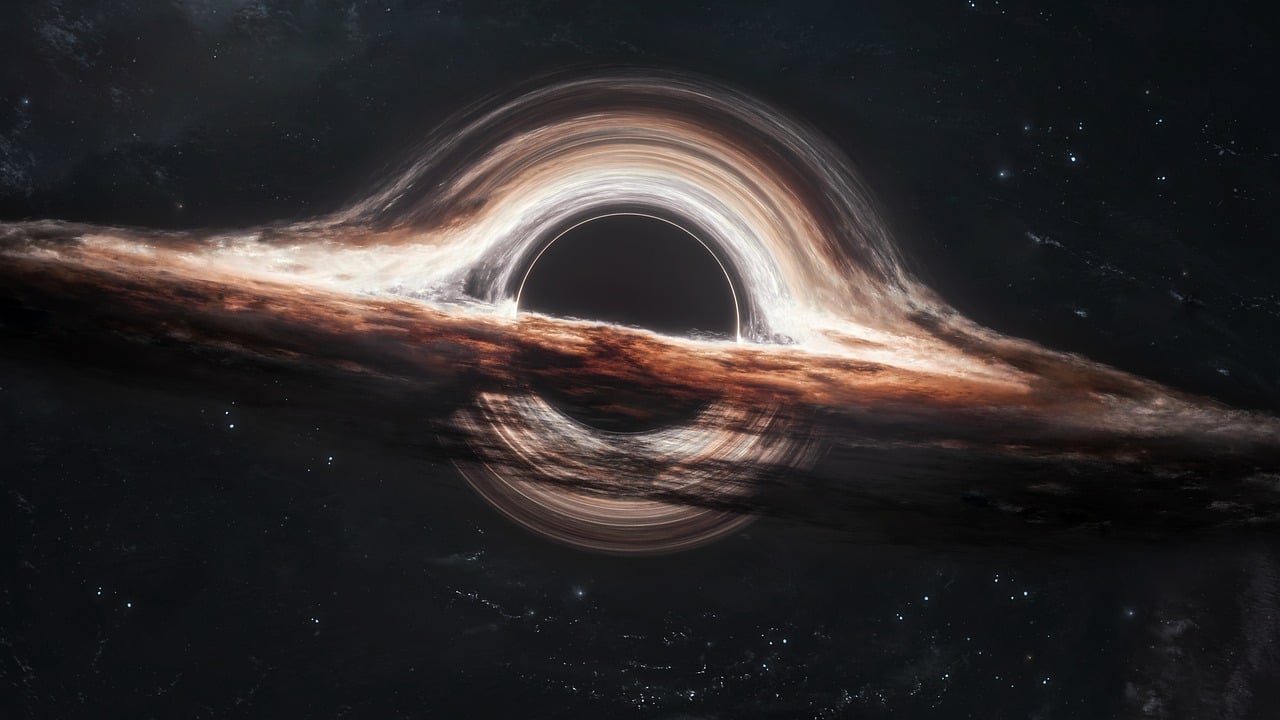
Physics explains how the world works — from motion and forces to electricity and waves. It can feel abstract and difficult when concepts are not connected to real examples.
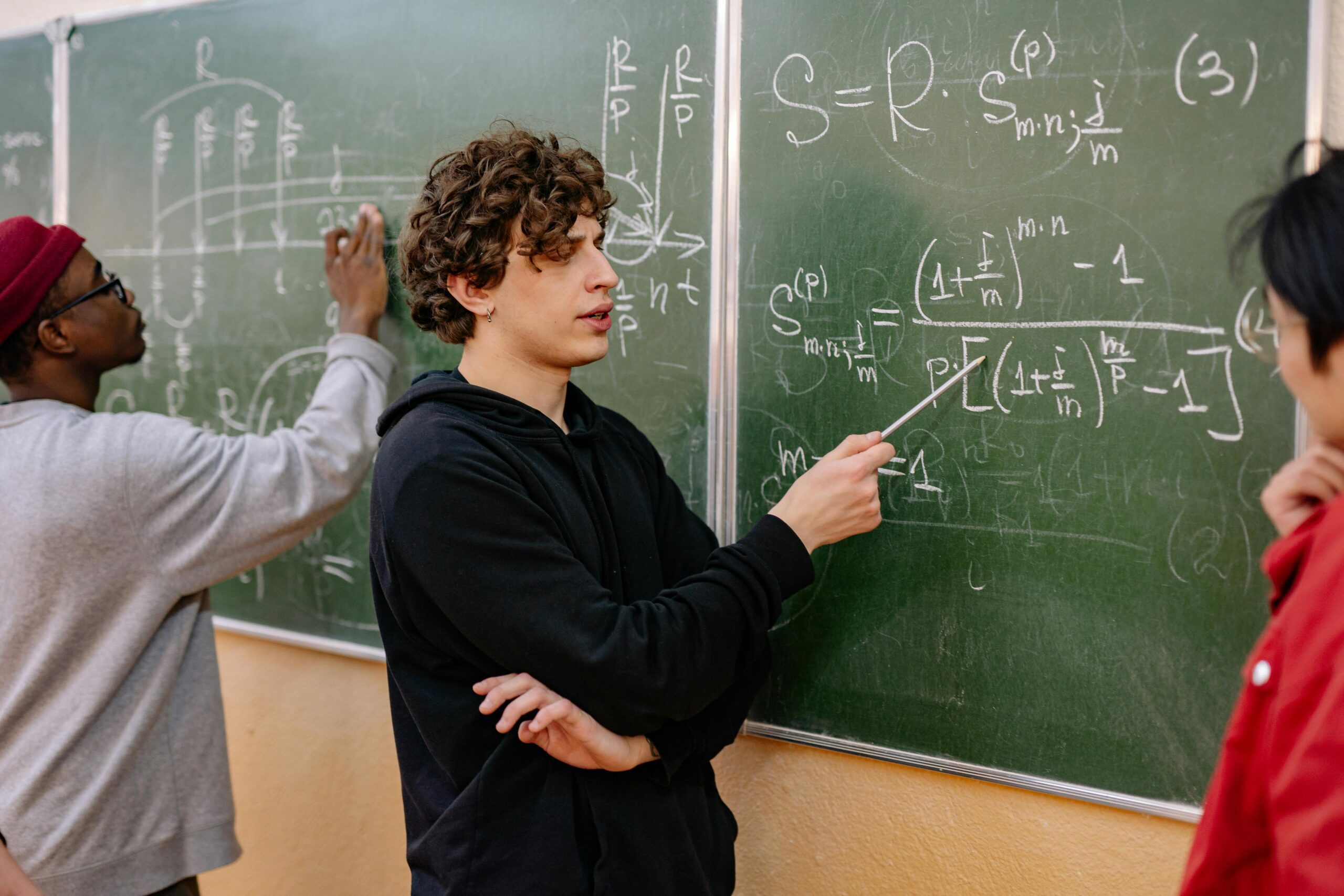
I help students visualize and truly understand physical phenomena so formulas become meaningful rather than confusing.
I support students with:
By breaking down complex ideas into simple concepts and practical applications, students learn to approach physics problems with clarity and confidence.
When physics makes sense, solving problems becomes natural.